Antioxidants and Phytochemicals: Natural Protectors

Antioxidants are compounds found naturally in foods that help protect cells from oxidative stress—a process linked to cellular aging and various health conditions. Phytochemicals are bioactive substances produced by plants that offer diverse protective and functional benefits.

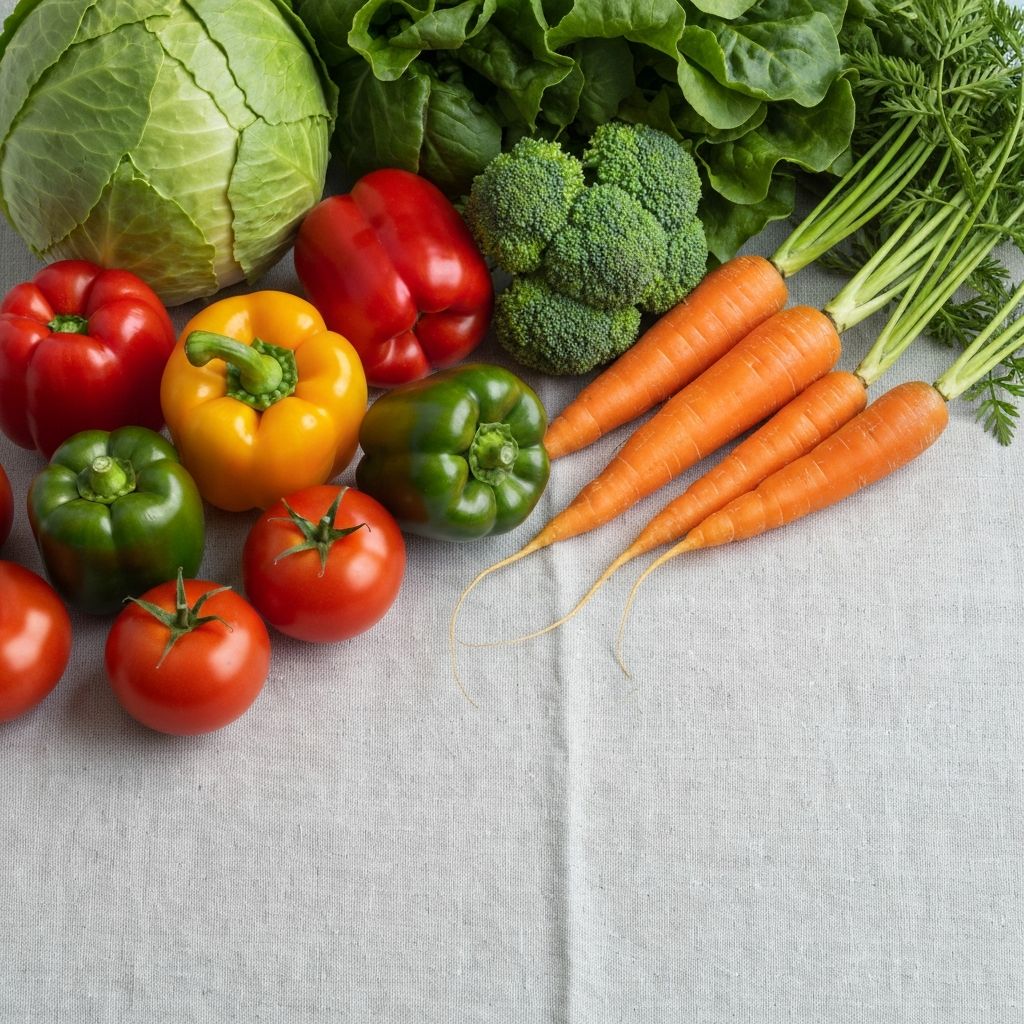
Antioxidant-rich vegetables

Understanding Oxidative Stress and Free Radicals

Oxidative stress occurs when the body produces reactive oxygen species (free radicals) faster than it can neutralize them. Free radicals are unstable molecules with unpaired electrons that can damage cellular components including proteins, lipids, and DNA.

What Are Free Radicals?

Free radicals are naturally produced during normal metabolic processes, particularly during energy production in mitochondria. They are also generated by external factors including pollution, UV radiation, smoking, and stress.

How Antioxidants Work

Antioxidants donate electrons to free radicals, neutralizing them and preventing damage to healthy cells. Different antioxidants have varying mechanisms and target different types of free radicals or cellular locations.

The Body's Defense System

The body produces its own antioxidants (glutathione, superoxide dismutase, catalase) that work alongside dietary antioxidants. This multi-layered defense system protects against oxidative stress.

Oxidative Stress and Health

Chronic oxidative stress is associated with cellular aging, inflammation, and various health conditions. Supporting the body's antioxidant defenses through diet may help maintain cellular health.

Major Classes of Antioxidants

Antioxidant Type Characteristics and Mechanisms Primary Food Sources
Flavonoids Polyphenolic compounds with potent antioxidant properties. Work by scavenging free radicals and chelating metal ions. Support vascular health and cognitive function. Berries, dark chocolate, tea, red wine, apples, onions, citrus fruits
Carotenoids Fat-soluble pigments that neutralize singlet oxygen. Include lycopene, beta-carotene, lutein. Support eye health and overall cellular protection. Carrots, sweet potatoes, spinach, kale, tomatoes, red peppers, winter squash
Polyphenols Large class of compounds with multiple phenolic groups. Provide potent antioxidant and anti-inflammatory support. Found in highest concentration in plant foods. Berries, nuts, olive oil, green tea, whole grains, legumes, herbs and spices
Vitamin E Fat-soluble vitamin with antioxidant properties. Protects cell membranes from oxidation. Works synergistically with vitamin C and selenium. Almonds, sunflower seeds, olive oil, avocados, vegetable oils, leafy greens
Vitamin C Water-soluble vitamin that neutralizes free radicals in aqueous environments. Also assists in recycling other antioxidants. Not stored in the body; requires daily intake. Citrus fruits, berries, bell peppers, broccoli, kiwi, tomatoes, kale
Selenium Mineral cofactor for glutathione peroxidase, a key antioxidant enzyme. Essential for antioxidant defense system function. Works with vitamin E. Brazil nuts, fish, poultry, eggs, whole grains, legumes, mushrooms

Phytochemicals: Beyond Traditional Vitamins and Minerals

Phytochemicals are bioactive compounds produced by plants. While not classified as essential nutrients, they offer diverse protective and functional benefits when consumed as part of a varied diet. Thousands of phytochemicals have been identified, each with unique properties.

Common phytochemical categories:

  • Phenolic Compounds: Include flavonoids and phenolic acids. Provide antioxidant and anti-inflammatory support. Found in virtually all plant foods.
  • Sulfur-Containing Compounds: Including sulforaphane and allicin. Offer unique protective properties. Found in cruciferous vegetables and allium family (garlic, onions).
  • Carotenoids: Pigments with antioxidant properties. Various types support different aspects of health including eye and cardiovascular function.
  • Terpenoids: Include limonene and menthol. Found in citrus peels, herbs, and spices. Support cellular health through multiple mechanisms.
  • Alkaloids: Include compounds like caffeine and capsaicin. Naturally occurring in coffee, peppers, and other plants. Offer diverse functional properties.
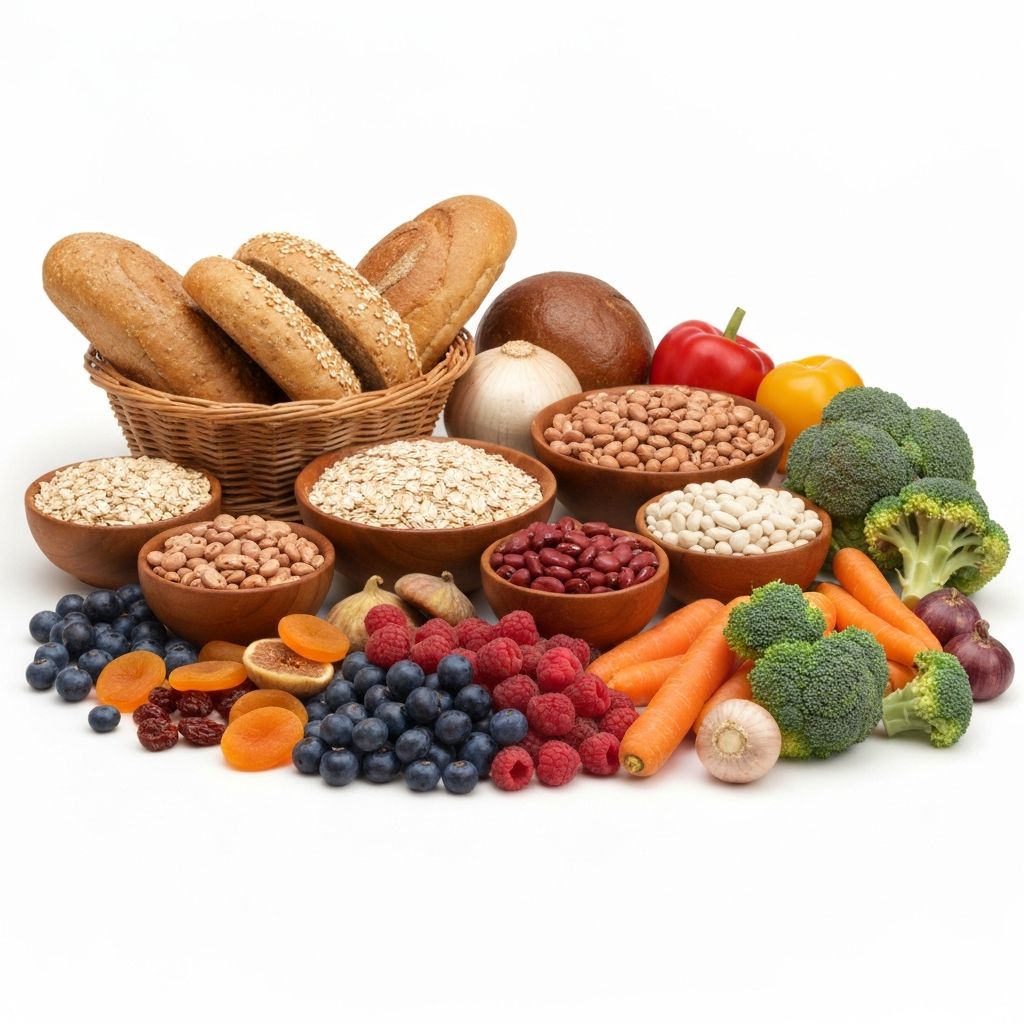
Plant-based phytonutrient sources

Antioxidant-Rich Food Categories

Berries

Among the most antioxidant-dense foods. Blueberries, blackberries, raspberries, and cranberries contain high concentrations of anthocyanins and other polyphenols. Frozen berries retain antioxidant content effectively.

Leafy Greens

Spinach, kale, collards, and other dark leafy vegetables are rich in lutein, zeaxanthin, carotenoids, and various polyphenols. Serve raw or lightly cooked to preserve heat-sensitive compounds.

Cruciferous Vegetables

Broccoli, cauliflower, Brussels sprouts, and cabbage contain sulforaphane and other sulfur compounds with unique protective properties. Light steaming preserves these compounds better than prolonged cooking.

Colorful Vegetables

Red peppers, tomatoes, carrots, and sweet potatoes contain various carotenoids. The vibrant colors indicate the presence of protective phytochemicals. Different colors offer different nutrient profiles.

Nuts and Seeds

Almonds, walnuts, flaxseeds, and sunflower seeds contain vitamin E, polyphenols, and other antioxidants. Minimal processing preserves antioxidant content.

Herbs and Spices

Oregano, turmeric, ginger, and other herbs and spices contain concentrated antioxidant and anti-inflammatory compounds. Even small quantities contribute meaningful antioxidant intake.

Optimizing Antioxidant Intake

Practical Strategies

  • Eat the Rainbow: Different colored foods contain different antioxidants. Consuming a variety of red, orange, yellow, green, blue, and purple foods ensures comprehensive antioxidant diversity.
  • Choose Minimally Processed Foods: Whole foods in their natural state contain higher antioxidant concentrations compared to refined or highly processed versions.
  • Consider Cooking Methods: While cooking may reduce some heat-sensitive antioxidants, it can increase bioavailability of others. Both raw and cooked vegetables have benefits.
  • Include Fresh and Frozen: Fresh produce offers maximum antioxidants immediately after harvest, but frozen produce (frozen at peak ripeness) retains antioxidants effectively.
  • Prioritize Variety Over Quantity: A diverse diet of various antioxidant sources is more protective than high consumption of a limited number of foods.
  • Include Herbs and Spices: These concentrated sources of antioxidants can be incorporated into everyday meals for enhanced protective benefits.
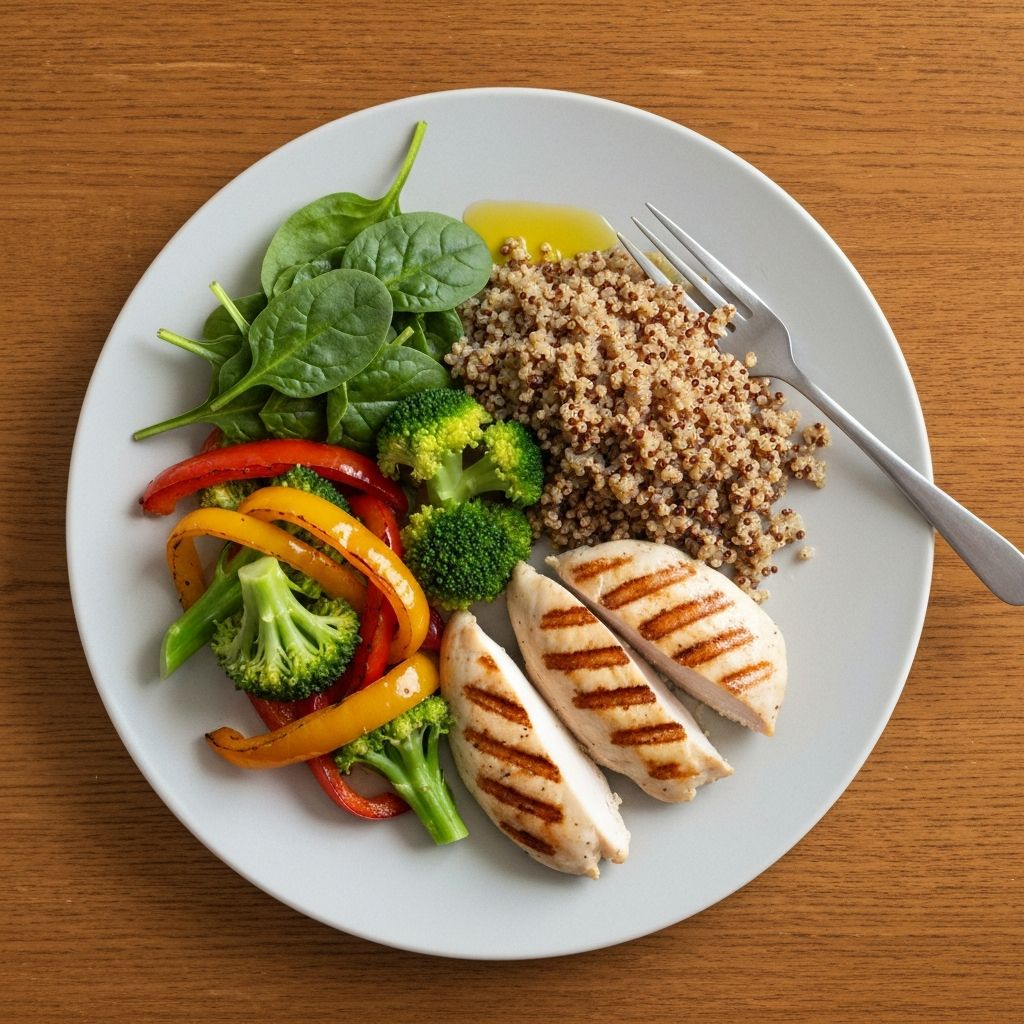
Colorful nutrient-dense meal

Antioxidants and Health Considerations

While a diet rich in antioxidant-containing foods is generally supported by research, some important considerations exist:

Food Sources vs. Supplements

Food-based antioxidants are embedded in complex matrices with other beneficial compounds. Isolated antioxidant supplements may not provide the same benefits as whole foods, and some research shows potential risks with high-dose supplementation.

Individual Variation

Antioxidant needs vary based on factors including activity level, environmental exposures (pollution, UV radiation), stress, and individual genetics. There is no universally optimal antioxidant intake.

Balance Matters

Moderate free radical production is necessary for normal cellular signaling and adaptation. Excessive antioxidant intake may interfere with beneficial adaptive responses to exercise and stress.

Lifestyle Factors

Sleep quality, stress management, regular exercise, and limiting smoking and pollution exposure are as important as dietary antioxidants for managing oxidative stress.

Important Context and Limitations

This information is provided for educational purposes to explain antioxidants and their role in general health. It is not medical advice for treating oxidative stress or disease.

  • Individual antioxidant needs and responses vary significantly.
  • This resource does not diagnose or treat conditions associated with oxidative stress.
  • The relationship between dietary antioxidants and specific health outcomes is complex and varies by individual factors.
  • Individuals with certain conditions should consult healthcare providers before making significant dietary changes or considering antioxidant supplementation.